
 Search


Infrastructure
Our priority is to create an ideal learning environment
Frederick Institute of Technology operates in Nicosia and Limassol. Frederick University and Frederick Institute of Technology have a close collaboration and Frederick Institute of Technology students have access to the modern facilities of Frederick University.
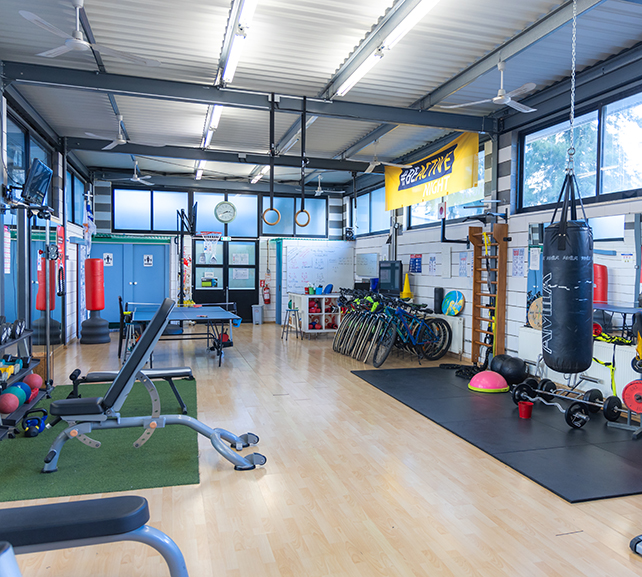
The Frederick Institute of Technology Nicosia's facilities are located in Pallouriotissa, approximately two kilometers from the center of Nicosia. They include buildings with classrooms, specialized laboratories, an event hall, academic and administrative staff offices, a gym, cafeterias and a well-equipped library.
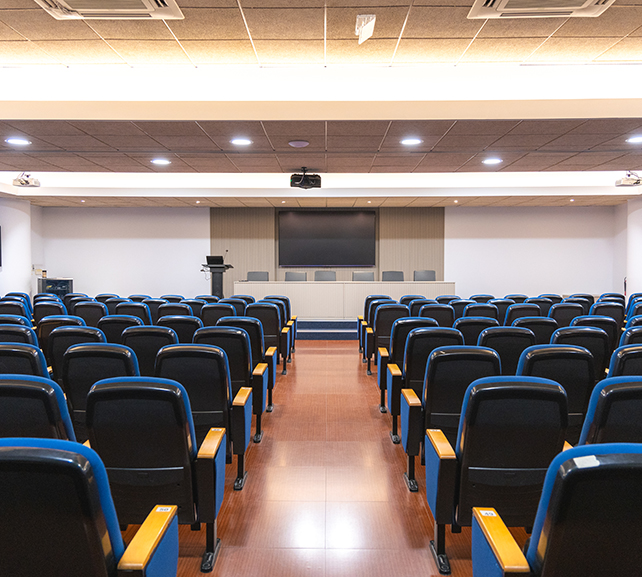
In Limassol, Frederick Institute of Technology is conveniently located with easy access to the city and the highway. The main building consists of classrooms, an amphitheater, laboratories, a library, academic and administrative staff offices and a cafeteria.
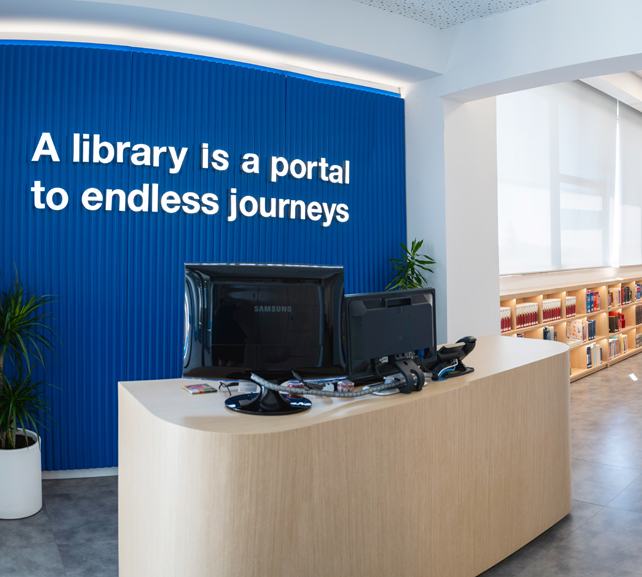
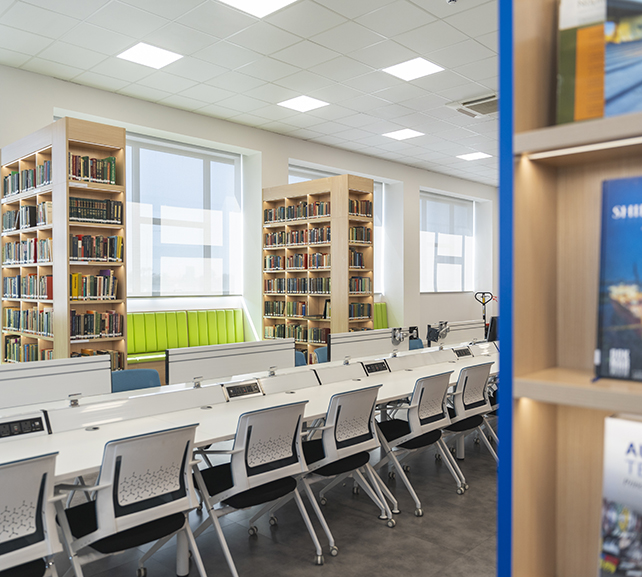
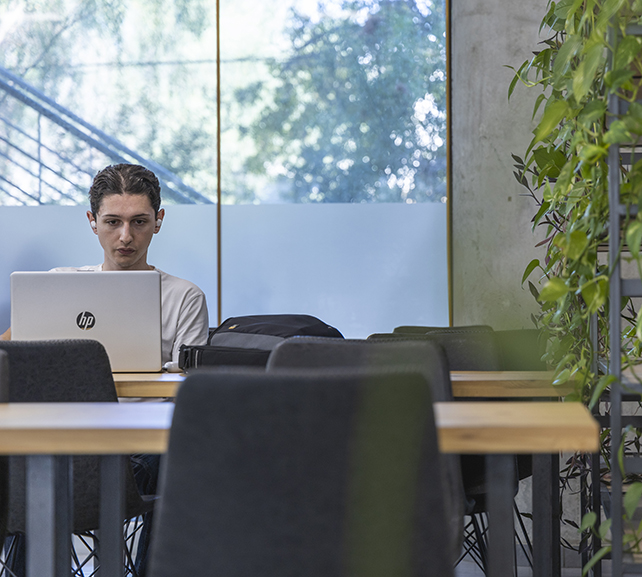
Frederick Institute of Technology maintains two libraries, one in Nicosia and one in Limassol. The two libraries share the same open access catalogue, as well as printed and electronic material, and are constantly enriched with new book editions and modern means of accessing electronic material. Students also have at their disposal comfortable study spaces.
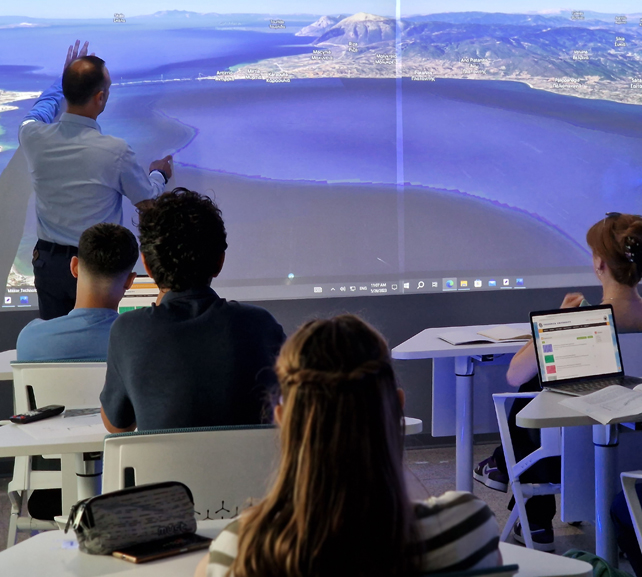
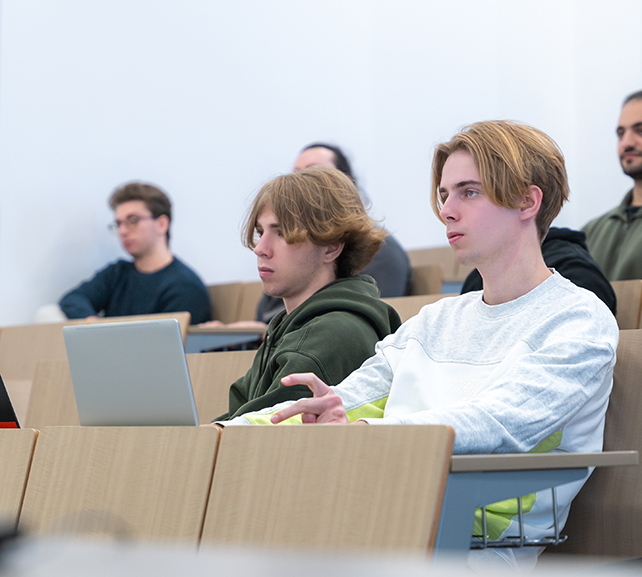
The classrooms have been renovated and upgraded with the most modern technological equipment. Many of them are designed to promote teamwork. The desks can be individual but can also be easily moved, creating group spaces for collaboration and interaction, giving students the opportunity to be an active part of the educational process.
The University’s modern cafeterias in Nicosia and Limassol offer comfortable spaces for socializing and relaxing, as do the University’s outdoor spaces that host events. In Nicosia, the University has its own gym, fully equipped to meet different needs.
Central to providing high-quality education are modern laboratories that are appropriately equipped to meet educational needs. Frederick Institute of Technology's curriculum utilizes a large number of laboratories that cover all educational needs and are constantly updated with new equipment. The computer laboratories are state-of-the-art and constantly upgraded. They are equipped with specialized software so that students can practically apply the theories taught.
Additionally, for each field of study, special laboratories operate, which support the specialized needs that exist. The following laboratories are indicative:
- Diploma in Nursery: Nursery music, puppetry and art workshops.
- Diploma in Mechanical Installations Technician: Application, Welding Laboratory, Machine Shop, Quality Control Laboratory, Hydraulic Systems Laboratory, Fluid Mechanics Laboratory, Refrigeration Systems Laboratory, Thermohydraulic Systems Laboratory, Thermal Engines and Renewable Energy Laboratory, Hydraulic Lifting and Pneumatic Systems Laboratory, etc.
- Diploma in Automotive Technician: Internal Combustion Engines, Electric and Hybrid Vehicles, Vehicle Diagnostic Procedures, Vehicle Air Conditioning, as well as Gas and Alternative Fuel Engines, etc.
- Diploma in Electrical and Electronic Systems Technician: Laboratories of renewable energy sources, electrical installations, electrical machines, programmable logic controllers (TLC), microprocessors, electrical circuits, digital circuits, telecommunications, etc.
- Diploma Paramedic - Ambulance Crews: Four state-of-the-art laboratories with specialized simulation equipment in emergency and pre-hospital care.
Studies at Frederick Institute of Technology are supported by modern IT services that facilitate and support the learning experience. For example, through the electronic account at Frederick Institute of Technology, students can connect to the library and other databases remotely (VPN), access specialized virtual computer laboratories (virtual labs), manage their courses (Student Information Portal), access notes, presentations and other course materials to manage their work (learning management system) and communicate with fellow students and academic staff (forums and electronic messaging).
